A leadership cohort for students with ADHD, executive functioning challenges, and learning disabilities.
The EF Leadership Institute supports girls and gender-expansive students in developing the skills for student success in high school and beyond. We recruit upcoming freshmen identified with ADHD, learning disabilities, and executive functioning challenges — and walk with them, year by year, from supported freshmen into confident, paid student leaders.
Executive functioning is the set of brain skills students use to plan, start, organize, and follow through. They can be taught — and we teach them, one practiced skill at a time, reinforced every week by a caring peer mentor.
Pillar 01
Building Confidence
A steady inner voice so students show up fully — in class, clubs, and at the lunch table.
Pillar 02
Relationship Building
The small, repeated acts of trust that turn classmates into a real support network.
Pillar 03
Time Management
Weekly rhythms that respect cognitive load, not just the calendar grid.
Pillar 04
Task Initiation
Beating the paralysis of the blank page with structured starting rituals.
Pillar 05
Planning
Turning assignments and ambitions into clear, sequenced steps that leave the page.
Pillar 06
Prioritizing
Reading the difference between what's urgent, what's important, and what's loud.
Pillar 07
Goal Setting
Goals that stretch and sustain — quarter-long, week-long, small enough to start today.
Pillar 08
Developing Resilience
The flexibility to recover from setbacks, schedule shifts, and surprise grades.
Pillar 09
Student–Parent Communication
Sharing progress with parents directly — easing frustration and building trust at home.
Pillar 10
Home, School & Community
Service projects on breaks that connect classroom, family, and community.
The four-year arc
From supported freshman to student leader.
Support is highest in year one and tapers as students grow into mentors, workshop leaders, and — by senior year — paid leadership running the organization. Four work sessions every week, all four years.
1
Phase 01 · Freshman Year
The Freshman Academy
The most supported phase — weekly EF workshops, direct skills practice, peer mentoring from upperclassmen, goal setting, and biweekly parent updates.
2
Phase 02 · Sophomore Year
The Sophomore Academy
Deeper independence and the first leadership reps — a cohort service project, mentoring incoming freshmen, and student-led progress presentations.
3
Phase 03 · Junior Year
Junior Leadership Pipeline
Leading workshops for younger cohorts while preparing for what's next — resume building, interview prep, and college application support.
4
Phase 04 · Senior Year
Senior Leadership
A paid student leadership role running the Institute as a real business — marketing, operations, accounting, management, and client retention.
★ Paid leadership role
Mentor Highlight
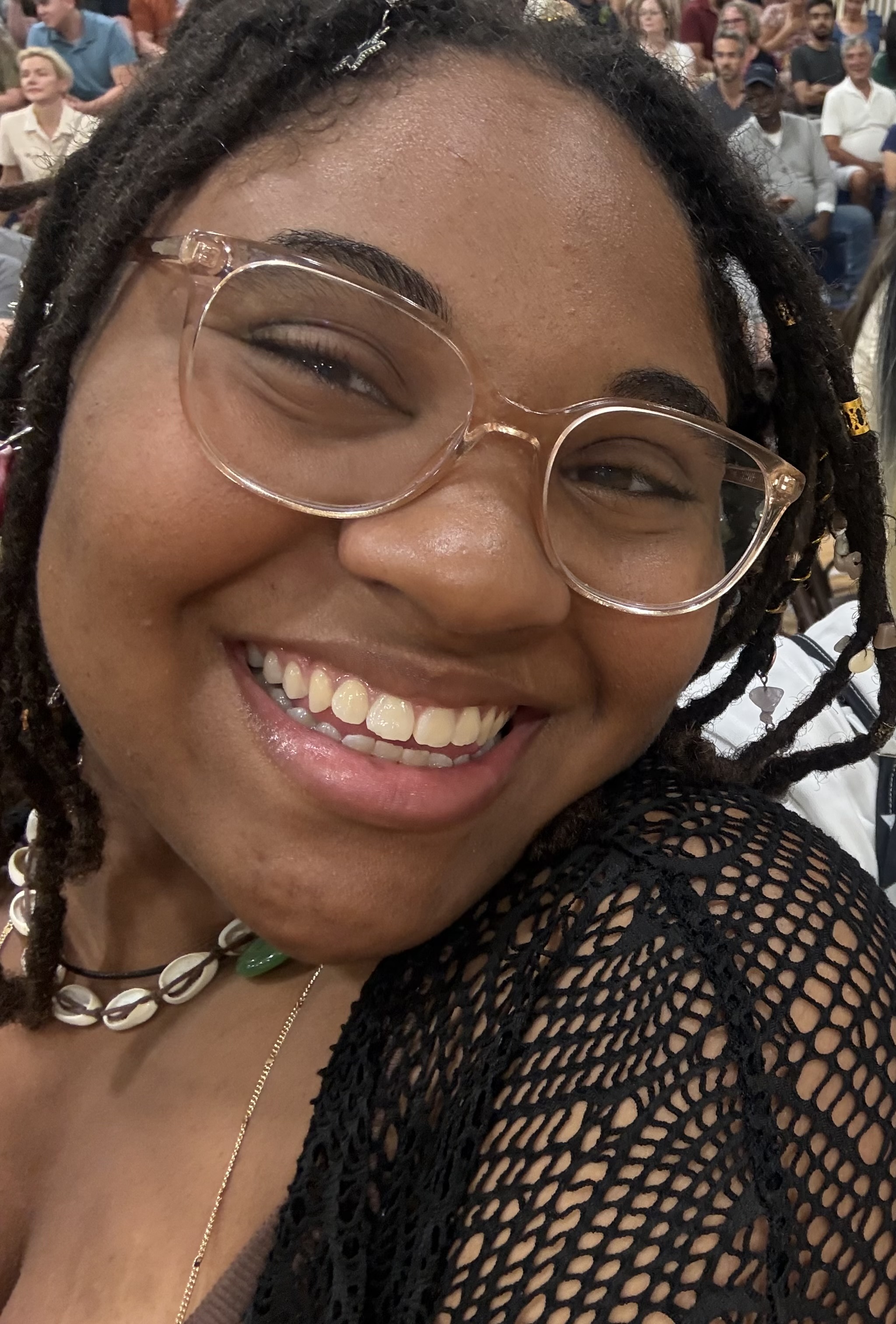
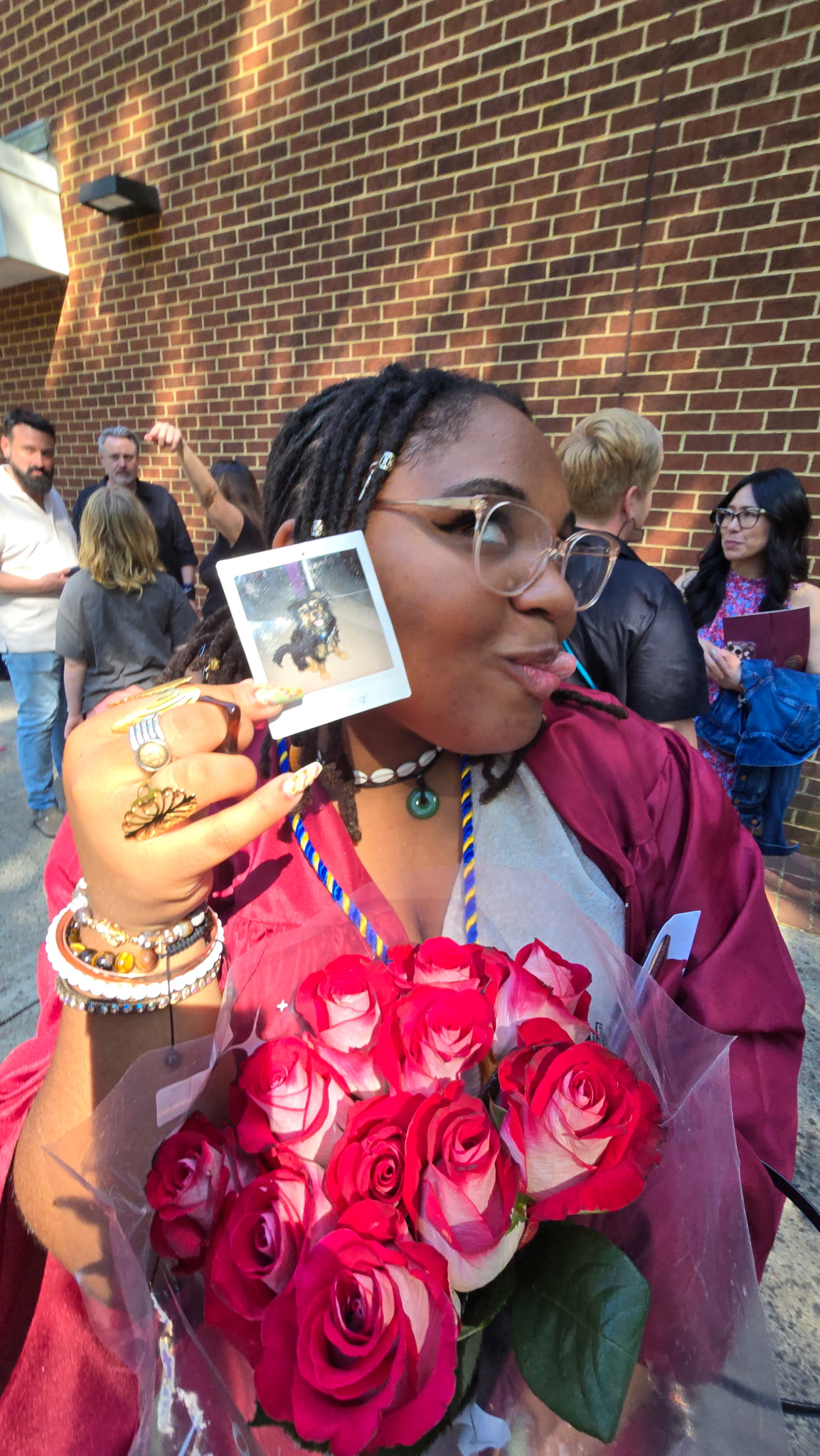
Meet Lanaia
One of the near-peer mentors guiding our incoming freshmen.
Program TeamGraduation day
Lanaia
Project Manager
Hello! I’m Lanaia, the middle child of two silly sisters I absolutely adore. I’m a recent graduate of Oakton High School, and this fall I’m heading to Colorado State University to study Zoology. I can’t wait to jump into clubs for all the things I love.
FromOakton High School
→
Heading toColorado State University
StudyingZoology
A few things she loves
ASL
Volleyball
Gaming
Mindfulness
Art
Nature
The team behind the mentoring
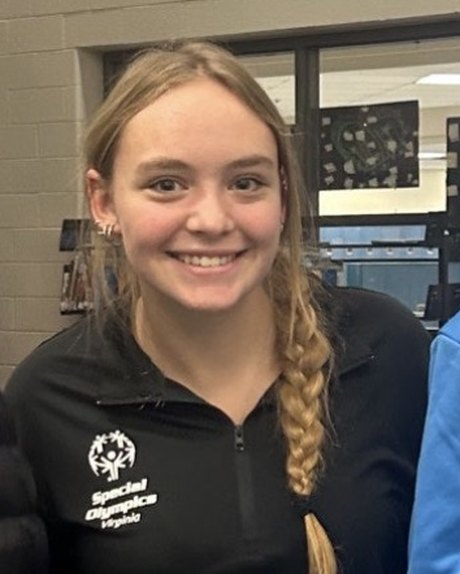
Makenna
Lead Mentor
Rising junior · Centreville High School
Hello!!! I’m Makenna, the oldest of four children, and I’m heading into my junior year at Centreville High School (after Liberty Middle School). I love joining clubs and meeting new people, especially Best Buddies, a student-run organization that builds one-to-one friendships and leadership skills between students with intellectual and developmental disabilities.
A few things she loves
Best Buddies
Field Hockey
National Charity League
Traveling
Freshman Academy
Six executive function skills, taught from day one.
The first cohort begins with the core skills that make every other part of high school possible. Each skill is practiced weekly, reinforced by mentors, and measured against real assignments.
Time Management
Designing weekly rhythms that respect cognitive load, not just the calendar grid.
Task Initiation
Overcoming the paralysis of the blank page with structured starting rituals.
Planning
Translating assignments and ambitions into clear, sequenced steps.
Prioritizing
Reading the difference between what is urgent, important, and merely loud.
Goal Setting
Goals that stretch and sustain — small enough to start today.
Resilience
Cognitive flexibility to recover from setbacks and surprise grades.
Celebrating wins
We keep students on track by counting the small stuff.
Progress is built from small, repeatable actions — not perfect weeks. Students earn points for micro-wins like starting an assignment, reaching out to a teacher, attending sessions, or completing chores at home.
1–2 pts
Micro-wins
Every small action earns points throughout the week.
15 pts
Short-term goals
Week- and quarter-sized goals a student sets and meets.
30 pts
Long-term goals
The big, sustained goals that take a semester of momentum.
🎉 Biweekly, the cohort gathers on Google Meet to tally points and celebrate each other's wins out loud. Points are rewarded with an Amazon gift card.
The weekly schedule
Every session, mapped to the 2026–27 school year.
Students commit to four hours per week, built around the FCPS 2026–27 calendar — with holidays, breaks, and quarter-end early releases all accounted for.
Monday · EF Skill Session
8:00–9:00 PM — the week's core skill
Sunday · Planning
6:00–7:00 PM — set up the week ahead
Guided Work Sessions
Tue, Wed, Thu & Sun · 7:00–10:00 PM — 4× a week
Biweekly Thursday · Celebrations
Tally points & celebrate wins together
For Parents · Monthly
The Monthly Parent Workshop
One Sunday each month, parents gather for a workshop built around the real challenges of supporting a teen with executive functioning needs — so the growth happening in sessions carries all the way home.
📋
Navigating 504 & IEP meetings with confidence
💬
Building positive communication with teens about school progress
🧠
Understanding executive functioning skills and how to reinforce them
🏠
Practical strategies for calmer, more supportive homes
The mentor bridge
The quiet, weekly relationship that does most of the work.
Every freshman is paired with an upperclassman mentor who has navigated the same hurdles. That consistent, one-on-one relationship is the heart of the program.
✓ 1-on-1 weekly strategy sessions with your mentor
✓ Peer accountability circles across the cohort
✓ Workshops on planning, prioritization & resilience
✓ Access to a faculty advisory network
Acceptance process
A small cohort, chosen with care.
We accept up to 30 students into the cohort — small enough to ensure ample support and success for every student during freshman year.
1
Self-Assessment
Students rate their executive functioning skills on a 1–5 scale and reflect on their experiences in middle school.
2
Application Review
Our team reviews each application and selects students to move forward in the process.
3
Conversation with a Peer Mentor
Selected students have an informal conversation with a peer mentor about their goals for the academic year.
4
Family Meeting
The program director meets with parents and guardians about their child's strengths and areas for growth — and how the Institute can help.
Apply
Ready to take the first step?
Choose the application that fits. Questions? Email us anytime at apply@eflead.org.
🎒
Freshman Cohort
For incoming freshmen and their families. Includes the student application and a parent / guardian application.
Juniors and seniors who have built their own executive functioning systems are invited to apply. Mentors lead 1-on-1 weekly sessions, co-facilitate workshops, and shape the culture of the cohort.
Application received!
Thanks for applying to mentor the inaugural class. We'll reach out by email at apply@eflead.org.
Junior & Senior Leadership Pipeline
Lead Mentor Application
For experienced mentors ready to step up — leading EF workshops for younger cohorts, guiding fellow mentors, and helping run the Institute. Senior lead roles are paid positions.
Application received!
Thanks for applying to lead. We'll reach out by email at apply@eflead.org.
Senior Leadership · Paid Position
Mentor Supervisor Application
Our most senior student role. Supervisors oversee the mentor team, coach lead mentors, and help run the Institute — scheduling, training, family communication, and operations.
Application received!
Thanks for applying to lead the Institute as a Mentor Supervisor. We'll reach out by email at apply@eflead.org.